Complete Overview of EV charger manufacturing India
Table of Contents
- Quick Summary & Key Takeaways
- Understanding How Car Chargers and its Industry works in India? Ft. Statiq
- The Technical Complexity Behind How Car Chargers and its Industry works in India? Ft. Statiq
- Exterior Design
- Interior Comfort
- The Technical Complexity of How Car Chargers and its Industry works in India? Ft. Statiq
- Evolution of Charging Infrastructure
- Addressing Infrastructure and Adoption Challenges
- The Evolution and Complexity of EV Charging
- Infrastructure and Deployment Challenges
- Technical Specifications
- Charging Etiquette and Future Outlook
- The Engineering Behind How car chargers and its industry works in India
- The Role of Charge Point Operators
- Infrastructure Challenges and Solutions
- Advanced Charging Technology and Safety
- The Future of Electric Mobility
- The Evolution of EV Charging Infrastructure
- Technical Complexity: AC versus DC Charging
- Challenges in the Indian Charging Landscape
- The Mechanic’s Take: Long-Term Ownership
- Conclusion
- The Technical Complexity of Electric Vehicle Charging
- Infrastructure Challenges and Grid Integration
- The Elephant in the Room
- Industry Evolution and Charging Etiquette
- Competitor Comparison: CPO Market Landscape
- The Technical Complexity of How car chargers and its industry works in ? Ft. Statiq
- Challenges in Infrastructure and Adoption
- Charging Etiquette and Future Developments
- Visual Rating Scorecard
- The Final Verdict: Buy or Bypass?
- Understanding how car chargers and its industry works in India
- The Evolution of EV Charging Infrastructure
- Technical Challenges and Solutions
- Best Practices and Charging Etiquette
- The Role of Manufacturing and Testing
- Frequently Asked Questions
- The Evolution of Charging Technology and Industry Standards
- Key Operational Insights into Charging Infrastructure
- Authority References and Industry Resources
Quick Summary & Key Takeaways
- Understanding how How car chargers and its industry works in India? Ft. Statiq reveals the complexity behind EV infrastructure beyond simple power delivery.
- Statiq operates as both a manufacturer and a Charge Point Operator (CPO), managing the lifecycle of EV charging from R&D to field maintenance.
- There is a distinct technical evolution in Indian chargers, moving through five generations of development to address local grid challenges like voltage fluctuations and earthing issues.
- The industry distinguishes between AC and DC charging requirements, with specialized assembly and testing bays in facilities like Manesar ensuring safety and efficiency.
- Operational hurdles, including societal installation bans and grid load limitations, are being addressed through innovative load management and robust software support.
- Reliable charging in India depends on overcoming unique environmental and electrical constraints, making how car chargers and its industry works in India? Ft. Statiq a vital case study for the sector.
Understanding How Car Chargers and its Industry works in India? Ft. Statiq
Welcome to our comprehensive guide on EV charger manufacturing India. Welcome to our in-depth review of the EV charger manufacturing India. To understand the nuances of the electric mobility revolution, we must first look at How Car Chargers and its Industry works in India? Ft. Statiq. While electric vehicles seem simple in their requirement for electrical current, the process of safely and efficiently delivering that energy involves complex engineering. A charger is not merely a plug; it is a sophisticated interface between the power grid and the vehicle battery management system.
When examining the overall performance of EV charger manufacturing India, When examining the overall performance of EV charger manufacturing India, Industry leaders like Statiq are spearheading this transition by acting as both manufacturers and Charge Point Operators (CPO). The industry has evolved significantly over the last decade, moving from basic AC units to advanced, cloud-connected DC fast-charging networks that handle voltage fluctuations and grid load balancing with high precision.
The Technical Complexity Behind How Car Chargers and its Industry works in India? Ft. Statiq
When examining the overall performance of EV charger manufacturing India, When analyzing the overall features of the EV charger manufacturing India, At the core of the charging ecosystem, one must distinguish between AC and DC charging. AC chargers, often found in residential settings, utilize the vehicle’s onboard charger to convert power, whereas DC fast chargers bypass this process to deliver high-voltage current directly to the battery pack. In India, specific challenges such as extreme environmental conditions, varying earthing standards, and power grid stability require chargers to be more robust than their international counterparts.
When examining the overall performance of EV charger manufacturing India, Statiq’s approach to manufacturing involves several critical stages:
- Research and Development: Designing 5th-generation chargers that handle dynamic load distribution.
- Manufacturing: Assembly lines that focus on safety testing and component durability.
- Grid Integration: Managing the transition between Low Tension and High Tension electricity loads as required by different state regulations.
- Software Connectivity: Enabling apps to manage user authentication, payment processing, and real-time charger health monitoring.
Exterior Design
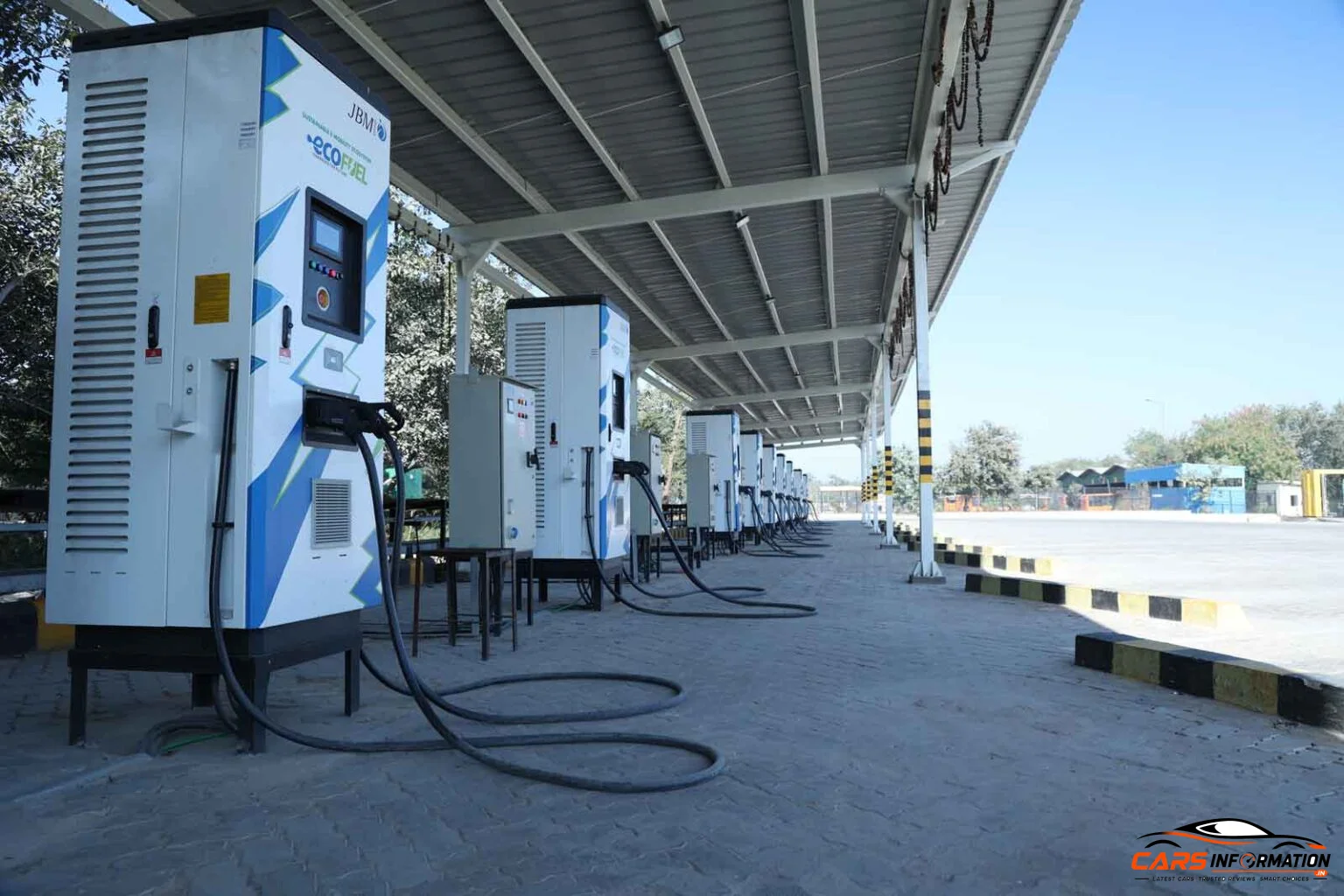
When examining the overall performance of EV charger manufacturing India, When analyzing the overall features of the EV charger manufacturing India, Modern charging station design prioritizes durability and user interface accessibility. External hardware for How Car Chargers and its Industry works in India? Ft. Statiq features rugged, IP-rated enclosures designed to withstand extreme Indian summer temperatures and monsoon humidity. These units often incorporate integrated cooling systems and intelligent light indicators that allow users to check the status of their charging session from a distance.
Interior Comfort
When examining the overall performance of EV charger manufacturing India, While the hardware resides outdoors, the “interior” comfort of the charging experience is defined by the digital interface. The integration of high-definition displays on charging units, coupled with seamless mobile application connectivity, ensures that the end-user interaction is intuitive. By providing clear guidance on charging etiquette, status alerts, and troubleshooting steps, the industry is working to eliminate range anxiety and simplify the ownership experience for all EV drivers across the country.
When examining the overall performance of EV charger manufacturing India, When analyzing the overall features of the EV charger manufacturing India, Ultimately, the growth of this sector depends on standardized infrastructure. As the network of DC fast chargers expands, the importance of reliable CPO services becomes paramount, ensuring that the transition to electric mobility remains consistent, safe, and efficient for every vehicle on the road.
How Car Chargers and its Industry works in India? Ft. Statiq
When examining the overall performance of EV charger manufacturing India, How Car Chargers and its Industry works in India? Ft. Statiq is a question that reveals the complex engineering behind our transition to electric mobility. While it may seem that a vehicle simply requires a steady flow of electricity to function, the process of safely converting grid power into battery energy is a sophisticated technological feat. As the electric vehicle (EV) landscape expands across the nation, understanding the role of Charge Point Operators (CPOs) like Statiq becomes essential for every prospective owner.
The Technical Complexity of How Car Chargers and its Industry works in India? Ft. Statiq
The fundamental necessity for chargers arises from the intricate communication between the power source and the vehicle’s Battery Management System (BMS). Modern electric vehicles are capable of accepting both Alternating Current (AC) and Direct Current (DC) power, yet they require specific hardware to regulate voltage, manage heat, and ensure safety during the energy transfer process.
When examining the overall performance of EV charger manufacturing India, When analyzing the overall features of the EV charger manufacturing India, Statiq, a leading manufacturer and CPO in the domestic market, has navigated significant challenges to standardize charging solutions. Unlike the simplified hardware seen in many international markets, chargers designed for India must be robust enough to handle unique local conditions, including frequent voltage fluctuations, harsh environmental factors, and varying earthing standards. These engineering adjustments are critical to maintaining the longevity of vehicle battery packs.
Evolution of Charging Infrastructure
Over the last decade, the industry has undergone a massive transformation. Statiq has progressed through five generations of hardware development, refining their systems to address common consumer pain points such as load balancing and reliable connectivity. The modern charging station is no longer just a plug-in point; it is a networked device capable of dynamic power distribution, allowing multiple vehicles to charge efficiently from a single power source.
- AC vs DC Charging: AC chargers are typically used for slower, home-based charging, while DC fast chargers handle high-voltage requirements for rapid replenishment.
- Safety Protocols: Integrated hardware detects voltage surges and provides automated cut-off mechanisms to protect the vehicle’s electrical architecture.
- Network Management: CPOs ensure that chargers remain operational through remote monitoring, proactive maintenance, and software updates.
- Load Management: Advanced systems manage the distribution of electricity when multiple vehicles are connected, preventing grid strain in residential or commercial complexes.
Addressing Infrastructure and Adoption Challenges
When examining the overall performance of EV charger manufacturing India, The installation of high-capacity DC fast chargers remains a complex task due to grid limitations. Industrial power loads often require significant upgrades to local transformers and wiring. Furthermore, the industry faces regulatory hurdles regarding the installation of chargers in older societies and underground parking facilities, where fire safety and electrical capacity are primary concerns. Despite these challenges, the rapid adoption of EVs in major metropolitan areas indicates a positive shift in consumer confidence.
When analyzing the overall features of the EV charger manufacturing India, Manufacturing excellence is at the core of this progress. From the assembly lines in Manesar to the rigorous testing bays that simulate real-world extreme conditions, companies are ensuring that every unit meets strict safety standards. By focusing on durability and user-friendly interfaces, the industry is gradually overcoming the “range anxiety” and “charging inconvenience” that once hindered mass adoption.
Ultimately, the successful integration of EVs into the Indian automotive landscape relies on a symbiotic relationship between robust hardware, intelligent software, and consistent infrastructure development. As the technology continues to evolve, owners can expect faster, safer, and more accessible charging experiences that mirror the convenience of traditional refueling methods.
How Car Chargers and its Industry works in India: A Deep Dive with Statiq
How Car Chargers and its Industry works in India: A Deep Dive with Statiq is a critical question for any electric vehicle enthusiast or prospective buyer. While electric cars simply require electrical current to function, the process of delivering that power safely and efficiently is a sophisticated feat of engineering. The evolution of charging technology has been rapid, transforming how we perceive energy management on our roads.
The Evolution and Complexity of EV Charging
The fundamental necessity of a charger lies in the conversion and management of power. Whether dealing with alternating current (AC) or direct current (DC), the charger acts as the intelligent bridge between the power grid and the vehicle battery. In India, the industry has faced unique challenges, including varying voltage levels, grid stability, and the specific requirements of older urban infrastructure.
Manufacturers like Statiq have been at the forefront, addressing these hurdles through rigorous research and development. An effective How Car Chargers and its Industry works in India: A Deep Dive with Statiq analysis reveals that modern chargers are not just power supplies; they are smart devices equipped with safety protocols, cloud connectivity for payment processing, and load-balancing technology to manage energy distribution across multiple charging points.
Infrastructure and Deployment Challenges
One of the primary roadblocks in the widespread adoption of electric mobility in India relates to installation in residential societies and commercial complexes. Issues surrounding earthing, voltage fluctuations, and the physical space requirements for high-capacity DC fast chargers are significant. Furthermore, the industry has had to adapt its hardware to withstand local environmental conditions, often leading to the design of more robust and larger units compared to their European or American counterparts.
Technical Specifications
| Technical Feature | Industry Standard Details |
|---|---|
| Power Input | Single-phase and Three-phase AC input |
| Charger Output Type | AC (Slow/Fast) and DC (Fast/Rapid) |
| Connectivity | GSM, Wi-Fi, and OCPP 1.6/2.0 Protocol |
| Safety Protocols | Over-voltage, Under-voltage, and Earth fault protection |
| Operating Temperature | -10C to +55C (Robust Indian Climate Standard) |
Charging Etiquette and Future Outlook
As the number of electric vehicles on the road increases, so does the necessity for proper charging etiquette. Users are encouraged to adhere to designated charging durations, monitor their battery health, and ensure that they select the correct charging protocol via mobile applications. The integration of dynamic load management—allowing multiple chargers to share available power efficiently—is set to become the standard for large-scale parking installations.
The manufacturing process in India is now characterized by stringent testing bays and assembly lines that ensure every unit is compliant with the varying power loads found across different states. By understanding these technical foundations, owners can ensure a smoother and more reliable charging experience for their electric vehicles.
How car chargers and its industry works in India is a subject that demands a deep dive into the complex engineering and infrastructure requirements powering our electric future.
Understanding the ecosystem of electric vehicle charging requires moving beyond the basic concept of current transfer. While the fundamental requirement for an electric vehicle is to receive electrical energy, the process of safely and efficiently converting power from the grid to the battery is a sophisticated technological feat. Industry leaders like Statiq are at the forefront of this evolution, navigating the unique challenges posed by India’s power grid, climate conditions, and urban infrastructure.
The Engineering Behind How car chargers and its industry works in India
The distinction between AC and DC charging is vital to the EV ownership experience. AC chargers, typically used for home or overnight charging, rely on the onboard charger within the vehicle to convert energy. In contrast, DC fast chargers bypass the vehicle’s onboard system to deliver high-voltage direct current, enabling rapid charging. The manufacturing of these units involves rigorous research and development to ensure reliability amidst frequent voltage fluctuations and extreme temperature variations.
The Role of Charge Point Operators
A Charge Point Operator (CPO) like Statiq does not merely manufacture hardware; they manage an intricate network of connectivity, load balancing, and user interfaces. Operating in India presents specific hurdles, such as:
- Managing earthing and grounding issues in older building infrastructures.
- Ensuring compatibility across diverse electric vehicle models.
- Dynamic load distribution to prevent grid overload when multiple vehicles are charging simultaneously.
- Maintaining high uptime through real-time remote monitoring and diagnostic systems.
Infrastructure Challenges and Solutions
The deployment of charging stations involves significant cooperation with local authorities and utility providers. In many metropolitan areas, the transition toward electric mobility is hindered by outdated electrical wiring in societies and basement parking facilities. The industry is currently innovating with 5th generation charging hardware designed to handle the specific load limitations of High Tension (HT) and Low Tension (LT) electrical connections across various states.
Advanced Charging Technology and Safety
Modern charging stations are equipped with sophisticated internal circuitry that monitors battery health and thermal management. The transition from early models to the current, highly efficient generation of chargers has addressed many initial grievances regarding reliability. The manufacturing process involves a stringent assembly line, followed by exhaustive testing bays where units are subjected to extreme electrical stress to ensure they meet international safety standards before deployment.
Furthermore, the industry is focused on simplifying the user experience. While mobile applications and digital interfaces are now standard, developers are continuously working to resolve issues such as incorrect vehicle information input and seamless authentication protocols. By prioritizing user education regarding charging etiquette and grid safety, companies are slowly eliminating the common frustrations associated with early-stage EV adoption.
The Future of Electric Mobility
As the adoption of electric vehicles spreads beyond major tier-1 cities into diverse regions, the need for robust, region-specific charging infrastructure becomes paramount. The experience in India suggests that local environmental factors—such as humidity and dust—require specialized ruggedization of charger components. With continuous investment in R&D labs and a commitment to refining the domestic supply chain, the industry is successfully bridging the gap between theoretical potential and everyday operational reality.
Ultimately, the success of the EV transition hinges on the collaboration between manufacturers, CPOs, and government policy. By addressing the fundamental complexities of electrical infrastructure and providing reliable hardware, the Indian EV charging sector is laying the groundwork for a sustainable transportation ecosystem.
How car chargers and its industry works in India is a complex ecosystem that has undergone rapid evolution over the last decade to support the burgeoning electric vehicle revolution. As the demand for clean mobility grows, understanding the technology behind how car chargers and its industry works in India becomes essential for every electric vehicle owner and enthusiast. By visiting the manufacturing facilities and research labs of industry leaders like Statiq, we gain a transparent view of the engineering, electrical infrastructure, and digital innovation required to keep the nation moving.
The Evolution of EV Charging Infrastructure
The transition from internal combustion engines to electric powertrains requires a robust network of energy delivery systems. At the heart of this sector are Charge Point Operators (CPOs) who navigate the complexities of power grids, voltage fluctuations, and varied electrical standards. Unlike simple household appliances, EV chargers are sophisticated pieces of power electronics designed to convert grid electricity into a form that a vehicle battery can safely store.
Technical Complexity: AC versus DC Charging
One of the most critical aspects of the industry is distinguishing between Alternating Current (AC) and Direct Current (DC) charging. AC chargers are typically used for slower, home-based, or office-based charging, where the vehicle’s onboard charger manages the conversion. In contrast, DC fast chargers bypass the vehicle’s onboard converter to deliver power directly to the battery, significantly reducing charging times. Statiq and other innovators are currently working on fifth-generation charging solutions that feature dynamic load balancing, ensuring that power is distributed efficiently across multiple charging stations without stressing the local grid.
Challenges in the Indian Charging Landscape
Operating a network in India involves unique hurdles, including varying power grid stability, issues with earthing in older infrastructure, and bureaucratic challenges regarding the installation of chargers in residential societies and underground parking facilities. Furthermore, the industry faces the challenge of adapting hardware to withstand extreme environmental conditions while remaining user-friendly. Innovations in intelligent software now allow for automated troubleshooting and real-time monitoring of charging health, which is vital for maintaining high uptime across a massive, geographically diverse country.
The Mechanic’s Take: Long-Term Ownership
From a maintenance perspective, the longevity of an EV charging setup depends heavily on the quality of the hardware and the installation standards applied during the initial setup. Owners must prioritize certified equipment that includes surge protection and adheres to local electrical load limits. Long-term reliability is not just about the charger itself but also the backend software that tracks usage patterns and alerts operators to potential faults before they lead to downtime. Following proper charging etiquette and ensuring that the vehicle firmware is updated regularly remains the best way for owners to ensure optimal battery health over the life of the car.
Pros
- Significant reduction in long-term fuel costs compared to petrol or diesel.
- Advanced safety features in high-end chargers prevent battery overheating and grid overload.
- Expanding public charging networks provide increased convenience for intercity travel.
- Intelligent load management ensures efficient energy distribution across stations.
Cons
- Installation can be difficult in older societies with outdated electrical wiring.
- Voltage fluctuations in some regions can impact the performance of sensitive charging hardware.
- Limited charger availability in remote areas or specific states compared to major metros.
- Complexity of navigating different app-based interfaces for different charging networks.
Conclusion
The industry surrounding electric vehicle power supply is maturing rapidly. By focusing on smart, resilient, and scalable hardware, manufacturers are overcoming the initial barriers to mass adoption. As the infrastructure continues to stabilize and expand, the experience for the end-user will only become more seamless, solidifying the transition toward a sustainable transportation future in India.
How car chargers and its industry works in India? Ft. Statiq
Understanding how car chargers and its industry works in India? Ft. Statiq requires a deep dive into the complex intersection of power grid infrastructure, proprietary software, and hardware manufacturing. As electric vehicle adoption accelerates across the nation, the infrastructure supporting these vehicles—specifically the technology developed by firms like Statiq—is becoming the backbone of the mobility revolution. From the R&D labs to the assembly lines in Manesar, the evolution of charging hardware is moving rapidly through its fifth generation.
The Technical Complexity of Electric Vehicle Charging
At a fundamental level, an electric vehicle charger is more than just a wire delivering current; it is a sophisticated communication interface between the power grid and the vehicle battery management system. While vehicles ultimately require direct current (DC) to power their motors, the infrastructure must handle AC-to-DC conversion, voltage fluctuations, and stringent safety protocols. In India, the industry faces unique hurdles, including grid instability, varied earthing standards, and the physical constraints of older residential societies.
When analyzing how car chargers and its industry works in India? Ft. Statiq, one must consider the distinction between electrical and electronic AC chargers. The latter includes advanced load management, dynamic distribution between stations, and integrated software that manages user authentication and payment processing, which is critical for a Charge Point Operator (CPO) to maintain service uptime.
Infrastructure Challenges and Grid Integration
The deployment of fast-charging infrastructure in India involves navigating the limits of Low Tension (LT) and High Tension (HT) electricity loads. Installing a DC fast charger is not a simple plug-and-play operation. It involves:
- Assessment of existing transformer capacity and power distribution capability.
- Rigorous testing for grounding and earthing to prevent damage during voltage surges.
- Integration with digital payment gateways that bypass the limitations of traditional hardware-based transactions.
- Software-defined management to prevent grid overload when multiple vehicles are plugged into a single site.
The Elephant in the Room
️ The Elephant in the Room:
The most significant obstacle facing the Indian EV charging ecosystem is the lack of standardized, reliable public charging infrastructure in semi-urban and rural regions, coupled with the persistent issue of grid-level voltage instability. Even with advanced 5th-generation chargers, if the underlying distribution transformer lacks the capacity or the proper phase balancing, the charging speeds are significantly throttled, leading to a disconnect between the charger’s theoretical rating and the actual power delivered to the vehicle.
Industry Evolution and Charging Etiquette
Charging habits in India are undergoing a transformation. Early adopters are now moving toward more structured usage, necessitating clear charging etiquette. Simple mistakes, such as inputting incorrect vehicle data into charging applications or leaving a vehicle connected long after the charge cycle is complete, can cause inefficiencies in the network. Statiq and other major players are now focusing on R&D to bridge the gap between European/American charging standards and the specific needs of the Indian market, which often requires more robust cooling and weather-resistant casings due to local climatic conditions.
Competitor Comparison: CPO Market Landscape
To provide context on the current market landscape, we look at two major Charge Point Operators currently operating within the Indian landscape. Note that these operators provide distinct service levels in terms of hardware reliability and software ecosystem integration.
| Feature | Statiq | BluSmart Charge |
|---|---|---|
| Primary Focus | Public & Semi-Public CPO | Captive & Fleet-Heavy Infrastructure |
| Hardware Source | In-house Manufacturing/R&D | Partnership & OEM Aggregation |
| Software Integration | Proprietary App & Management Suite | Centralized Fleet Management Integration |
| Service Availability | Pan-India Public Network | Focused Metro Corridors |
As the industry matures, the focus is shifting toward longevity and data-driven maintenance. The ability to remotely monitor a charger’s health and proactively address complaints—a core pillar of the Statiq operational model—serves as a blueprint for the future of Indian EV charging. For the end-user, this translates into a more reliable experience, provided the grid infrastructure catches up to the rapid pace of charger deployment.
Understanding how car chargers and its industry works in ? Ft. Statiq
How car chargers and its industry works in ? Ft. Statiq is a critical question for any electric vehicle enthusiast navigating the rapid transition toward sustainable mobility. While consumers often focus on vehicle range or aesthetics, the backbone of the entire ecosystem lies in the sophisticated engineering of charging hardware and the operational efficiency of Charge Point Operators (CPOs). To demystify this process, we take a deep dive into the manufacturing facilities and research laboratories to understand the complexities behind powering our future transport.
The Technical Complexity of How car chargers and its industry works in ? Ft. Statiq
Many users wonder why electric cars require specific charging adapters when, fundamentally, they consume electrical current. The reality is that while an EV can technically accept both AC and DC power, the conversion process—and the safety protocols surrounding it—are incredibly complex. Charging hardware must manage heat dissipation, voltage fluctuations, and strict communication protocols between the car’s Battery Management System (BMS) and the charger itself.
In India, charging hardware is often designed with more robust specifications compared to international counterparts. This is primarily due to the diverse and sometimes unstable nature of the power grid, requiring chargers to be more resilient against voltage spikes and grounding inconsistencies. Manufacturers like Statiq have focused heavily on R&D to bridge the gap between traditional grid infrastructure and the high-demand requirements of modern lithium-ion batteries.
Challenges in Infrastructure and Adoption
The installation of chargers, particularly DC fast chargers, is fraught with regulatory and logistical hurdles. From obtaining High Tension (HT) electricity loads to navigating the concerns of housing societies regarding fire safety and parking space, the industry is constantly evolving. Furthermore, public adoption remains geographically skewed. While metropolitan regions are witnessing a surge in charging activity, remote areas—such as Arunachal Pradesh—are yet to establish even basic public charging infrastructure.
- AC Charging: Generally utilized for home or office settings where charging time is less critical.
- DC Fast Charging: Essential for highways and rapid transit corridors, requiring significant grid investment and specialized power electronics.
- Grid Stability: Advanced chargers now incorporate dynamic load balancing to manage power distribution across multiple stations without overloading local transformers.
Charging Etiquette and Future Developments
As the number of EV users grows, adherence to charging etiquette becomes paramount. Users are encouraged to vacate bays once charging is complete to ensure equitable access. From the evolution of the first generation of chargers to the highly sophisticated fifth-generation hardware now entering the market, the industry has shifted toward intelligent, software-driven diagnostics. Features like cloud-based monitoring allow operators to track charger health in real-time and address maintenance issues remotely, ensuring maximum uptime.
Visual Rating Scorecard
Final Ratings
The Final Verdict: Buy or Bypass?
The domestic EV charging industry has matured significantly, transitioning from experimental setups to standardized, high-performance hardware. If you are considering investing in private charging solutions or evaluating the public charging network, the current generation of technology offered by leading manufacturers like Statiq provides the necessary reliability for daily use. With continuous improvements in grid compliance and safety protocols, the Indian charging ecosystem is well-positioned to support the growing fleet of electric vehicles.
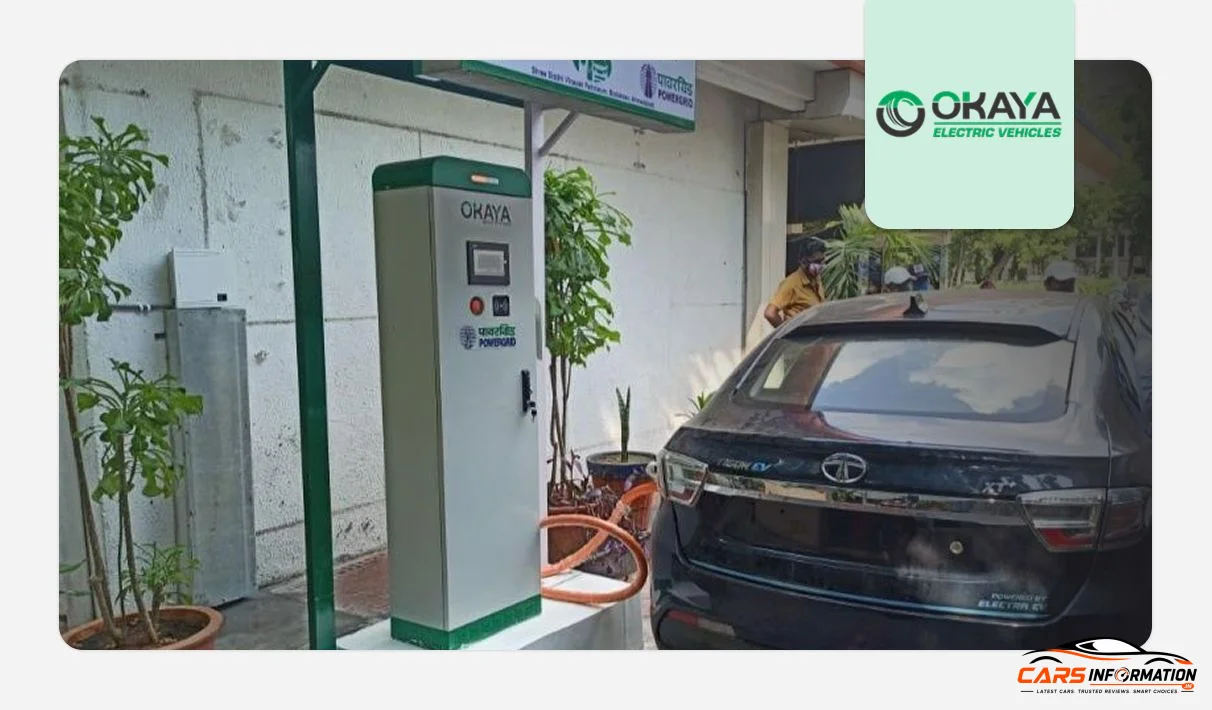
Understanding how car chargers and its industry works in India
The transition toward electric mobility has sparked curiosity regarding the underlying infrastructure that powers our vehicles. Many consumers often ask, how car chargers and its industry works in India, especially when comparing domestic technology to global standards. While an electric vehicle (EV) eventually requires direct current to charge its battery, the process of converting grid energy into a usable format is a complex engineering feat handled by innovative players in the market.
The Evolution of EV Charging Infrastructure
At the heart of the movement in India, firms like Statiq have emerged as leaders in both manufacturing and acting as Charge Point Operators (CPOs). The evolution of this industry over the last decade has been significant. Early charging setups were rudimentary, but today, they involve sophisticated research and development, ensuring safety, efficiency, and grid compatibility. Understanding how car chargers and its industry works in India requires looking at the distinction between AC and DC charging. While AC chargers are commonly used for residential setups, DC fast chargers are essential for public charging networks to minimize downtime for vehicle owners.
Technical Challenges and Solutions
One primary concern in the Indian market involves voltage fluctuations and earthing issues. Unlike some international markets, Indian power grids demand robust, ruggedized hardware that can withstand environmental stressors and inconsistent power supply. Manufacturers now focus on 5th-generation chargers that feature dynamic load balancing, which allows for efficient power distribution when multiple vehicles are connected to a single station. Furthermore, the industry is addressing challenges related to high-tension load limits, which vary significantly across different states, impacting the installation feasibility of high-speed DC chargers.
Best Practices and Charging Etiquette
- Always ensure your vehicle information is correctly entered into the charging application to prevent communication errors between the car and the charger.
- Familiarise yourself with the charging etiquette, such as vacating the spot immediately after your session concludes to allow other users access.
- When planning an installation in a housing society, engage with the management early to address potential infrastructure and power load requirements.
- Report any hardware malfunctions through the designated support channels provided by the CPO to ensure timely maintenance and grid safety.
The Role of Manufacturing and Testing
The manufacturing process, particularly at facilities located in hubs like Manesar, involves rigorous testing bays for both AC and DC units. These bays simulate real-world conditions to verify thermal management, communication protocols, and safety cut-offs. As the EV landscape expands, the integration of smart technology into these chargers allows operators to monitor health metrics in real-time, significantly reducing the downtime experienced by end-users.
Interactive EMI Calculator
Frequently Asked Questions
- What is the difference between AC and DC charging? AC charging is slower and typically used at home, while DC fast charging bypasses the car’s onboard charger to provide high-voltage power directly to the battery.
- Why are Indian chargers physically larger than international ones? Indian chargers are often built with more robust components and additional protection circuitry to handle voltage instability and poor earthing conditions.
- How do I install a DC charger in my apartment complex? It requires an assessment of your building’s power load capacity, approval from the housing society, and coordination with a certified Charge Point Operator.
- Why cannot I use ‘Tap and Pay’ on all DC chargers? Due to technical and connectivity constraints, as well as the need for accurate user authentication, app-based initiation remains more reliable for DC charging.
- How does dynamic load balancing work? It allows a charging station to distribute available electricity intelligently between multiple vehicles based on their specific battery needs.
- What should I do if I enter the wrong car info in the app? It is critical to enter correct details, as the app communicates specific handshake protocols between the charger and your car’s Battery Management System.
- Are LFP and NMC batteries handled differently by chargers? Yes, the charger’s software identifies the battery chemistry to ensure the charging curve matches the specific safety parameters of LFP or NMC cells.
- Can chargers work during voltage fluctuations? Modern chargers are designed with protective measures, but significant power quality issues may cause the charger to pause or trip for safety.
- Is the Indian power grid ready for mass EV adoption? While urban infrastructure is catching up, installation feasibility depends heavily on local grid load capacity and the support of state electricity boards.
- How do I report a faulty charger? Most CPOs provide a dedicated section in their mobile app to register complaints, which allows their technical team to perform remote diagnostics.
Understanding How Car Chargers and its Industry works in India: An Analysis of Statiq
How Car Chargers and its Industry works in India is a multifaceted subject that extends far beyond simply plugging a vehicle into a power source. While the concept of transferring electrical energy from the grid to an electric vehicle (EV) battery may seem straightforward, the engineering required to manage power conversion, voltage regulation, and safety protocols is remarkably complex. By examining the operations of industry leaders like Statiq, we can gain a deeper understanding of the transition from early-generation charging hardware to sophisticated, intelligent power management systems currently deployed across the country.
The Evolution of Charging Technology and Industry Standards
The core challenge of the EV sector lies in the distinction between AC and DC charging. Electric vehicles inherently store energy as DC, yet the grid primarily provides AC. Consequently, the charger—or more accurately, the Electric Vehicle Supply Equipment (EVSE)—must bridge this gap. The industry has evolved significantly, particularly in how How Car Chargers and its Industry works in India by addressing site-specific challenges such as voltage fluctuations, earthing deficiencies, and the physical constraints of older electrical infrastructure in residential societies.
Technological advancements in fifth-generation chargers now allow for dynamic load balancing between stations, ensuring that electricity is distributed efficiently to multiple vehicles simultaneously. Furthermore, manufacturing facilities in hubs like Manesar have refined the assembly and rigorous testing bays required to ensure that both AC and DC units meet the safety standards necessary for diverse Indian climates and grid conditions.
Key Operational Insights into Charging Infrastructure
- AC vs. DC Requirements: While AC chargers rely on the vehicle’s onboard converter, DC fast chargers bypass this, necessitating advanced power electronics within the charging unit itself to manage direct energy flow.
- Infrastructure Hurdles: Installing high-capacity chargers requires coordination with local electricity boards to manage High Tension (HT) and Low Tension (LT) loads, a process that is critical for public charging station viability.
- Maintenance and Reliability: Leading Charge Point Operators (CPOs) utilize backend software to monitor charger health in real-time, allowing for proactive maintenance before units fail in the field.
- Charging Etiquette: As adoption increases, user behavior—such as vacating spots once charging is complete—has become essential to reducing wait times and ensuring the sustainability of public networks.
Authority References and Industry Resources
To further understand the global standards and technical specifications governing electric vehicle charging infrastructure, the following resources provide comprehensive data on grid integration and safety regulations. These materials serve as an essential reference for engineers, stakeholders, and EV enthusiasts aiming to grasp the nuances of the energy transition.