Complete Overview of EV charger manufacturer India
Table of Contents
- Quick Summary and Key Takeaways
- Unveiling How Car Chargers and its Industry works in India Ft. Statiq
- Technical Foundations and Infrastructure Evolution
- Exterior Design
- Interior Comfort and Technological Interface
- Industry Challenges and Future Prospects
- The Evolution of How Car Chargers and its Industry works in ? Ft. Statiq
- Technical Infrastructure and Charging Standards
- Addressing Infrastructure and Adoption Challenges
- The Evolution and Complexity of EV Charging
- Understanding the Infrastructure and Industry Standards
- Technical Specifications and Hardware Capabilities
- Best Practices for EV Charging
- Understanding How Car Chargers and its Industry works in India? Ft. Statiq
- The Evolution of EV Charging Infrastructure
- Challenges and Solutions in the Indian Market
- Pricing and Variants
- Safety Features
- The Evolution of EV Charging Infrastructure
- Technology Behind the Charging Process
- Infrastructure Hurdles and Solutions
- The Mechanic’s Take: Long-Term Ownership
- Conclusion
- The Technical Complexity of Electric Charging
- Addressing Infrastructure and Grid Hurdles
- Market Competitor Comparison
- Future Outlook of the Industry
- The engineering behind the charging ecosystem
- Decoding how car chargers and its industry works in India
- Infrastructure and maintenance in the Indian market
- Visual Rating Scorecard
- The Final Verdict: Buy or Bypass?
- Understanding How Car Chargers and its Industry works in India: An Expert Analysis
- The Complexity of Modern EV Infrastructure
- Operational Challenges and Industry Evolution
- The Manufacturing Perspective
- Frequently Asked Questions
- The Evolution of Charging Technology
- Technical Challenges in the Indian Charging Landscape
- Authority References and External Resources
Quick Summary and Key Takeaways
- Understanding how How car chargers and its industry works in India? Ft. Statiq reveals the complexity behind EV power delivery systems.
- The distinction between AC and DC charging is critical for EV owners, as How car chargers and its industry works in India? Ft. Statiq highlights the necessary hardware for safe energy conversion.
- Indian EV chargers are uniquely engineered to handle local voltage fluctuations, earthing challenges, and varying infrastructure demands.
- Statiq serves as a Charge Point Operator (CPO) and manufacturer, focusing on R&D to improve the efficiency and reliability of charging stations across the nation.
- The industry is evolving through five generations of hardware, focusing on dynamic load balancing, thermal management, and user-friendly payment authentication.
- Infrastructure hurdles, such as grid capacity and installation regulations in residential societies, remain a primary focus for expansion.
- Proper charging etiquette and technical awareness regarding AC vs. DC charging help extend battery longevity and ensure seamless operation.
Unveiling How Car Chargers and its Industry works in India Ft. Statiq
Welcome to our comprehensive guide on EV charger manufacturer India. Welcome to our in-depth review of the EV charger manufacturer India. How Car Chargers and its Industry works in India Ft. Statiq is a question that frequently arises as the nation accelerates its transition toward sustainable mobility. While many consumers focus solely on the vehicle, the underlying infrastructure is the true backbone of the electric vehicle revolution. Understanding the technical intricacies of hardware, from AC chargers to high-capacity DC fast chargers, is essential for every prospective electric car owner in the country.
Technical Foundations and Infrastructure Evolution
When examining the overall performance of EV charger manufacturer India, The core technology behind modern electric mobility relies on complex power management systems. While the average consumer may perceive a charger as a simple conduit for electricity, the industry operates with rigorous standards regarding voltage regulation, safety protocols, and grid compatibility. How Car Chargers and its Industry works in India Ft. Statiq involves navigating significant challenges, including erratic voltage fluctuations, earthing deficiencies in older housing societies, and the necessity for robust electronic hardware that can withstand extreme environmental conditions.
When examining the overall performance of EV charger manufacturer India, When analyzing the overall features of the EV charger manufacturer India, The distinction between electrical and electronic charging components is a critical differentiator in modern hardware manufacturing. Manufacturers like Statiq invest heavily in Research and Development to ensure that their units can communicate effectively with the vehicle’s Battery Management System (BMS). This ensures an even distribution of charge, which is vital for maintaining long-term battery health and overall vehicle longevity.
Exterior Design
When examining the overall performance of EV charger manufacturer India,
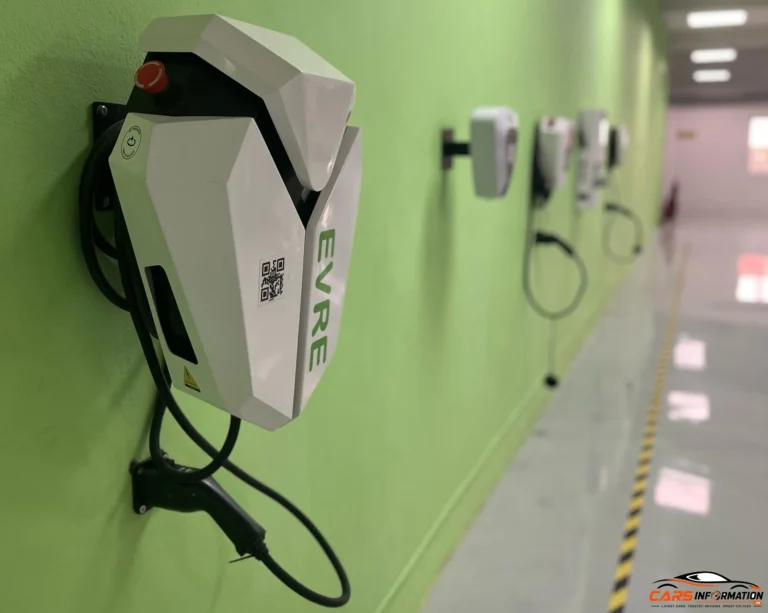
Modern charger design prioritises durability and user accessibility. The aesthetic of a public charging station is defined by its rugged, weather-resistant casing designed to survive India’s diverse climate. Beyond the chassis, the interface layout is engineered for intuitive operation, often featuring interactive displays that provide real-time updates on charging status, power output, and duration.
Interior Comfort and Technological Interface
When examining the overall performance of EV charger manufacturer India, When analyzing the overall features of the EV charger manufacturer India,
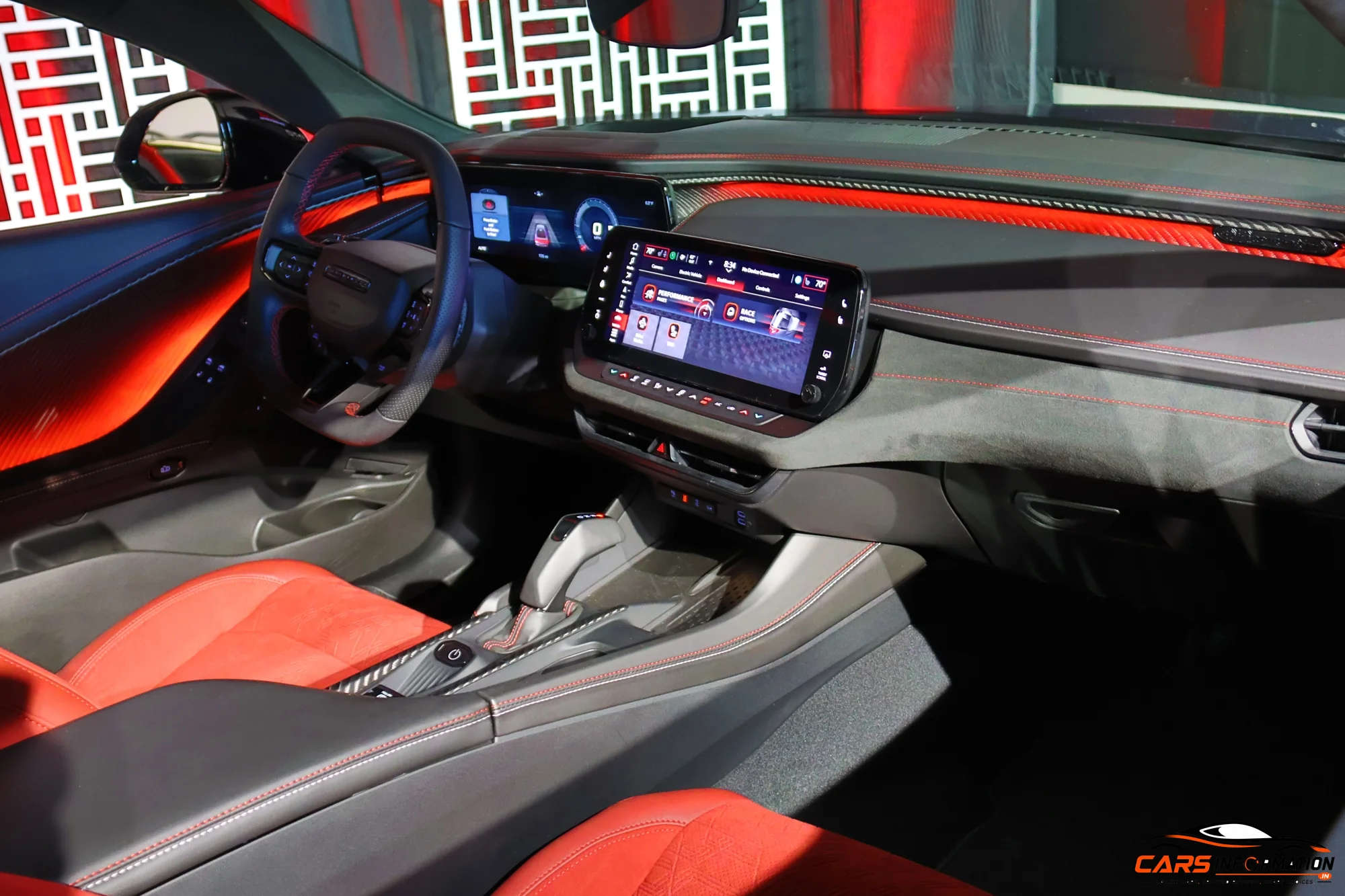
Inside the charging unit, the architecture is a marvel of power electronics. High-frequency transformers, rectification modules, and sophisticated communication microcontrollers work in harmony to manage energy flow. The fifth generation of these chargers incorporates advanced thermal management systems, ensuring that even during high-load sessions in hot climates, the efficiency of energy transfer remains optimal. For the end-user, the focus remains on a seamless experience, where app-based authentication and smart load distribution remove the complexity from the charging process.
Industry Challenges and Future Prospects
- Grid Reliability: Managing high tension and low tension electrical loads across different states requires precise planning and government collaboration.
- Safety Protocols: Effective earthing and surge protection are non-negotiable, particularly in older residential infrastructures where wiring may not have been designed for high-voltage EV hardware.
- Charging Etiquette: As the population of electric vehicles grows, responsible use of public charging points becomes paramount to ensure accessibility for all users.
- Maintenance and Support: A responsive network, supported by dedicated service teams and digital complaint systems, is vital for maintaining uptime across the nationwide charging grid.
When examining the overall performance of EV charger manufacturer India, The evolution of the Indian charging landscape is moving rapidly from early pilot projects to a sophisticated, interconnected network. By examining the lifecycle of a charger—from the initial design phase and assembly line testing at facilities in Manesar, to real-world deployment—we gain a clearer picture of how the industry is maturing to meet the demands of a new generation of motorists.
Understanding How Car Chargers and its Industry works in ? Ft. Statiq
When examining the overall performance of EV charger manufacturer India, When analyzing the overall features of the EV charger manufacturer India, To understand How Car Chargers and its Industry works in ? Ft. Statiq, one must first look beyond the simple interface of an EV plug and delve into the complex engineering that governs energy transfer. While many users perceive charging as a simple flow of electricity, the reality involves sophisticated power conversion, safety protocols, and grid management systems that vary significantly based on regional infrastructure requirements.
The Evolution of How Car Chargers and its Industry works in ? Ft. Statiq
When examining the overall performance of EV charger manufacturer India, The electric vehicle landscape in India has undergone a transformative decade. As a leading Charge Point Operator (CPO) and manufacturer, Statiq has been at the forefront of this evolution. The industry does not merely manufacture boxes; it creates intelligent nodes that communicate with the vehicle’s Battery Management System (BMS). Unlike standard appliances, electric vehicle chargers must handle variables such as voltage fluctuations, earthing inconsistencies, and the diverse thermal profiles of LFP and NMC battery chemistries prevalent in the Indian market.
Technical Infrastructure and Charging Standards
A critical aspect of the industry is the distinction between AC and DC charging. AC chargers, often found in residential or office environments, rely on the vehicle’s onboard charger to convert alternating current to direct current. In contrast, DC fast chargers bypass the vehicle’s onboard system, delivering high-voltage direct current directly to the battery pack. This process requires robust hardware capable of dynamic load distribution, ensuring that multiple vehicles sharing a power source receive a stable and safe electrical supply.
- Voltage Regulation: Advanced chargers are designed to mitigate the effects of the unstable grid voltage frequently encountered in various Indian states.
- Safety Protocols: Integrated earthing checks are mandatory to prevent faults, especially in older infrastructure where electrical grounding may be suboptimal.
- Hardware Development: The transition from initial prototypes to fifth-generation chargers reflects a shift towards modular, repairable, and software-integrated units that allow for remote diagnostics.
- Communication Interfaces: Sophisticated handshake protocols ensure that the charger and the car exchange data regarding state-of-charge, thermal limits, and charging current parameters before energy transfer commences.
Addressing Infrastructure and Adoption Challenges
When examining the overall performance of EV charger manufacturer India, When analyzing the overall features of the EV charger manufacturer India, The manufacturing process in facilities like those in Manesar highlights the precision required in assembly and testing. Each unit undergoes rigorous stress testing to simulate real-world environmental conditions. Furthermore, the industry faces unique hurdles, such as the reluctance of certain housing societies to permit charger installations due to perceived fire risks or load management concerns. The solution lies in smart charging grids that distribute power loads intelligently without overwhelming the building’s electrical capacity.
As India continues its electrification journey, the distinction between high-tension and low-tension load management will become increasingly significant for public charging hubs. Companies are now focusing on creating a seamless user experience, where digital payment gateways, app-based monitoring, and standardized connectors help bridge the gap for the average consumer, ensuring that the transition to electric mobility remains accessible and reliable across the country.
How Car Chargers and its Industry works in India? Ft. Statiq
When examining the overall performance of EV charger manufacturer India, How Car Chargers and its Industry works in India? Ft. Statiq is a critical question for every prospective electric vehicle owner navigating the modern automotive landscape. While many consumers focus exclusively on vehicle range and battery capacity, the underlying infrastructure that facilitates energy transfer is a feat of complex engineering. Statiq, a leading manufacturer and charge point operator in India, provides a transparent look into the technological ecosystem required to power the next generation of transport.
The Evolution and Complexity of EV Charging
When analyzing the overall features of the EV charger manufacturer India, The fundamental necessity for a dedicated charger rather than a direct connection to a power source stems from the need for safety, communication, and energy conversion. Electric vehicles are capable of processing both Alternating Current (AC) and Direct Current (DC), yet they require sophisticated hardware to bridge the gap between the power grid and the battery management system. Statiq has been instrumental in refining these systems over the last decade, transitioning through five generations of hardware design to meet the unique demands of the Indian market.
In India, charging hardware often features more robust physical dimensions compared to international variants. This is primarily a result of local power grid variations, voltage fluctuations, and the necessity to build internal redundancies to handle environmental stressors common in the region. Manufacturers must account for diverse electrical loads and ensure that earthing and grounding protocols are strictly maintained to prevent damage to the vehicle’s onboard charger.
Understanding the Infrastructure and Industry Standards
Operating as a Charge Point Operator (CPO) requires more than just installing hardware. It involves managing a network of assets that require constant monitoring, dynamic load balancing, and cloud connectivity. Statiq ensures high uptime for its units by integrating advanced diagnostics, which allow operators to remotely monitor charger health and respond to potential faults before they affect the end-user. This professional approach to service and maintenance is vital as electric car adoption continues to grow across major urban centers and smaller regions alike.
Technical Specifications and Hardware Capabilities
The manufacturing process for modern How Car Chargers and its Industry works in India? Ft. Statiq units involves rigorous testing cycles to ensure safety and efficiency. Below are the technical aspects that define current industry-standard charging hardware.
| Feature | Details |
|---|---|
| Charging Types | AC Type 2, CCS2 DC Fast Charging |
| Load Balancing | Dynamic distribution between multiple ports |
| Cooling System | Active liquid or forced-air cooling for DC units |
| Communication | OCPP 1.6J/2.0 compatible for grid integration |
| Protection Features | Over-voltage, under-voltage, and short-circuit protection |
Best Practices for EV Charging
- Always ensure the charging cable is securely latched before initiating the session via the mobile application.
- Respect charging etiquette by vacating the spot once the vehicle has reached its desired state of charge.
- Be mindful of local grid limitations and opt for designated residential or public charging infrastructure designed for electric vehicles.
- Familiarise yourself with the app-based verification process, which is currently the primary method for secure DC fast charging in India.
As the industry matures, the focus remains on standardizing the user experience and improving the reliability of the grid. By leveraging data-driven insights and local manufacturing expertise, companies like Statiq are setting the foundation for a sustainable electric future, ensuring that the transition to electric mobility is seamless and efficient for every driver.
Understanding How Car Chargers and its Industry works in India? Ft. Statiq
How Car Chargers and its Industry works in India? Ft. Statiq is a question that delves into the complex intersection of electrical engineering, infrastructure development, and the rapidly evolving electric vehicle landscape. While mobile phones and standard household appliances operate on straightforward power delivery, the systems required to charge electric vehicles are significantly more sophisticated. Even though vehicles can receive both Alternating Current (AC) and Direct Current (DC) power, the necessity for a dedicated charger is driven by the complex requirements of battery management, safety protocols, and grid compatibility.
The Evolution of EV Charging Infrastructure
To understand the nuances of the industry, one must examine the role of a Charge Point Operator (CPO). As the electric mobility sector grows, manufacturers like Statiq have become pivotal in shaping the ecosystem. A critical aspect of How Car Chargers and its Industry works in India? Ft. Statiq involves the distinction between electrical and electronic AC chargers, as well as the robust R&D required to navigate India-specific challenges such as voltage fluctuations and inconsistent earthing standards.
The transition from early generation units to the sophisticated 5th-generation charging technology highlights the rapid pace of innovation. Unlike standardized global markets, the Indian landscape demands hardware that can withstand extreme environmental conditions while managing dynamic load distribution between multiple charging stations. This ensures that power is distributed efficiently to cars without compromising the stability of the local power grid.
Challenges and Solutions in the Indian Market
- Infrastructure Limitations: Many residential complexes and underground parking facilities face challenges regarding older electrical grids, necessitating specific technical interventions to enable safe charger installation.
- Technical Hurdles: The industry must account for High Tension (HT) and Low Tension (LT) electricity load limits, which vary significantly across different Indian states.
- Charging Etiquette: Proper usage, including avoiding incorrect app inputs and understanding the limitations of current payment systems, remains a vital part of the user experience.
- Manufacturing Rigour: From the assembly line in Manesar to the rigorous testing bays, chargers undergo multi-stage validation processes to ensure reliability and safety for end-users.
Pricing and Variants
The pricing landscape for electric vehicle chargers varies depending on the technology, power output, and connectivity features. Below is a representative overview of the different charger categories typically deployed in the Indian market:
| Charger Type | Power Output | Primary Use Case |
|---|---|---|
| AC Home Charger | 3.3 kW – 7.4 kW | Residential / Personal Parking |
| AC Commercial (AdWall) | 7.4 kW – 22 kW | Retail / Office Complexes |
| DC Fast Charger | 30 kW – 60 kW | Public Highways / Fleet Hubs |
| Ultra-Fast DC Charger | 120 kW+ | High-Traffic Expressways |
Safety Features
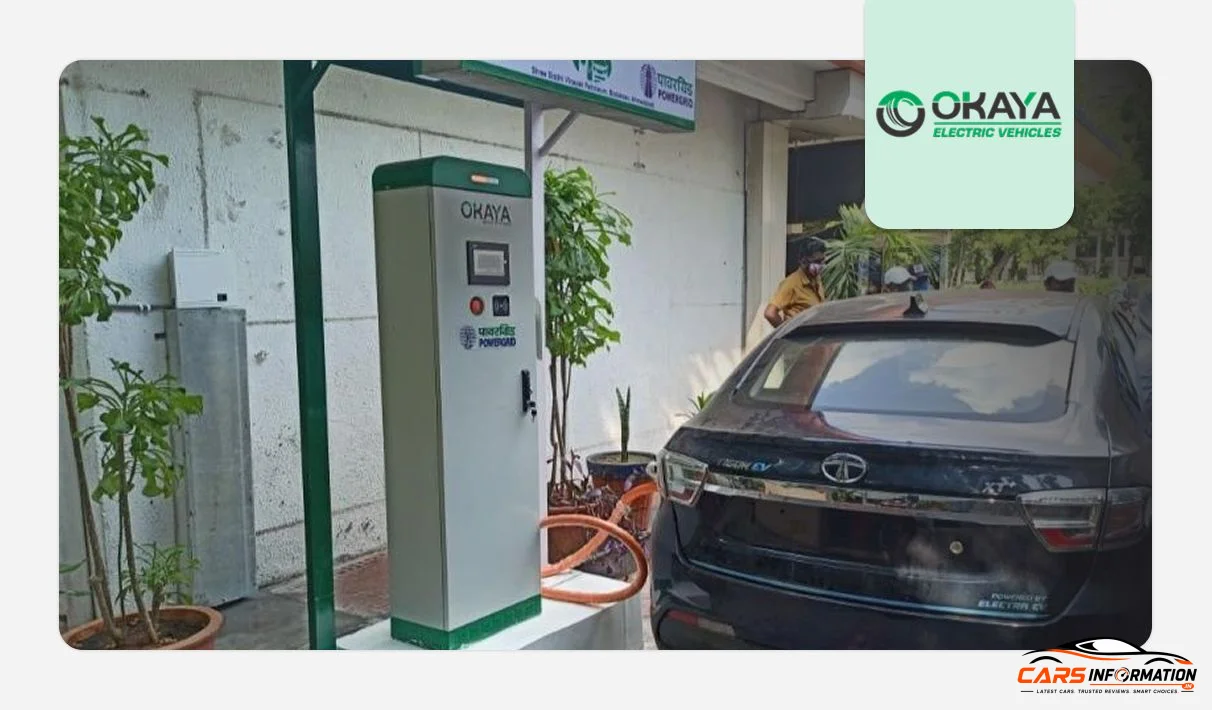
Safety remains the cornerstone of modern charging technology. To prevent issues arising from voltage spikes or short circuits, manufacturers integrate advanced protective measures. These include:
- Automatic cut-off systems that engage during power surges.
- Real-time monitoring of battery health and temperature to prevent overheating.
- Sophisticated insulation and earthing detection that triggers an emergency shutdown if the connection is deemed unsafe.
- Dynamic load management which prevents the electrical infrastructure from being overwhelmed during peak usage hours.
By focusing on robust hardware and intelligent software, the industry continues to overcome the hurdles associated with charging infrastructure in the country, ensuring that the transition to electric mobility is both seamless and secure for all users.
How Car Chargers and its Industry works in ? Ft. Statiq
Understanding How Car Chargers and its Industry works in ? Ft. Statiq requires a deep dive into the complex intersection of power grid infrastructure, electrical engineering, and software integration. While the concept of plugging in an electric vehicle (EV) appears straightforward, the underlying technology involves sophisticated conversion processes that ensure safety, efficiency, and grid stability.
The Evolution of EV Charging Infrastructure
The transition toward electric mobility in India has necessitated a rapid evolution in how charge point operators (CPOs) like Statiq manage energy distribution. Unlike standard household appliances, EV chargers must contend with significant voltage fluctuations and varied earthing standards across different regions. Advanced CPOs have shifted from simple electrical units to highly integrated electronic systems that monitor energy flow, perform health checks on battery packs, and manage dynamic load balancing between multiple stations.
Technology Behind the Charging Process
At the heart of the industry, engineers differentiate between AC and DC charging. AC chargers utilize the onboard charger of the vehicle to convert grid power into direct current, whereas DC fast chargers bypass this system to deliver power directly to the battery. Manufacturers are now focusing on the fifth generation of hardware, which includes improved thermal management and robust software interfaces to prevent common user errors. Furthermore, the design of Indian chargers is unique; they are often built with larger housings and more resilient internal components to withstand the specific rigors of local climate conditions and power instability.
Infrastructure Hurdles and Solutions
Installing a DC fast charger involves navigating complex regulatory requirements, specifically concerning High Tension (HT) and Low Tension (LT) electricity loads. Many older societies face structural and electrical limitations, making site selection and infrastructure upgrading critical steps. Industry leaders are working closely with local authorities to establish standardized protocols for public and private installations, ensuring that the increasing density of EVs does not overwhelm existing power grids.
The Mechanic’s Take: Long-Term Ownership
From a maintenance and technical standpoint, the reliability of an EV charging network depends on consistent software updates and physical diagnostics. Long-term ownership of charging assets requires regular calibration of sensors and verification of communication protocols between the charger and the vehicle. When chargers are integrated into smart networks, operators can monitor health in real-time, drastically reducing downtime for the end-user.
Pros
- Enhanced energy efficiency through intelligent load balancing.
- Robust hardware designed to withstand local voltage fluctuations.
- Real-time remote diagnostics and monitoring capabilities.
- Scalable infrastructure options for residential and commercial deployment.
Cons
- High upfront cost for installation in older infrastructure.
- Dependency on local grid stability in remote regions.
- Complexity in regulatory compliance across different states.
- Requires user adherence to strict charging etiquette for optimal performance.
Conclusion
As the EV sector continues to mature, the focus shifts toward seamless user experience and hardware reliability. The industry is effectively moving beyond initial experimentation into a phase of standardisation. For the average consumer, understanding that charging is a delicate communication process between the car and the grid helps in appreciating the innovation poured into modern How Car Chargers and its Industry works in ? Ft. Statiq solutions. With ongoing advancements in battery chemistries like LFP and NMC, future charger iterations will likely offer even faster, safer, and more adaptive energy delivery.
How car chargers and its industry works in ? Ft. Statiq
Understanding how car chargers and its industry works in ? Ft. Statiq provides a fascinating glimpse into the rapid electrification of the domestic automotive sector. While many consumers focus solely on vehicle range, the underlying infrastructure of the charging ecosystem is the true backbone of the electric revolution. Statiq, as a leading player in the space, is currently defining how India transitions toward a more robust, reliable, and intelligent charging network.
The Technical Complexity of Electric Charging
At its core, an electric vehicle requires energy to function, yet delivering that energy efficiently is a task that involves significant engineering. Whether through an AC charger or a DC fast charger, the conversion process must handle voltage fluctuations, grid stability, and safety protocols. Manufacturers like Statiq operate as both hardware designers and Charge Point Operators (CPOs), ensuring that the power grid communicates effectively with the vehicle battery management system (BMS).
The distinction between electrical and electronic charging is critical. AC chargers, which are commonly found in residential complexes, must manage standard power output, whereas DC fast chargers require advanced cooling and rectification systems to feed high-voltage direct current directly into the battery. As the industry evolves, how car chargers and its industry works in ? Ft. Statiq reveals that the focus has shifted from simple power delivery to smart distribution, load balancing, and predictive maintenance.
Addressing Infrastructure and Grid Hurdles
One of the primary challenges identified in the current landscape is the variation in local grid infrastructure. Installing a DC fast charger requires specialized permits, high-tension electrical loads, and adherence to strict safety standards. Unlike international markets, India presents unique challenges, such as:
- Voltage instability in older residential areas.
- Lack of standardized earthing protocols in public spaces.
- Challenges in integrating complex billing and payment software for high-speed charging stations.
The most significant obstacle remains the inconsistent adoption of standardized charging etiquette among Indian electric vehicle owners. Many users fail to monitor charge completion times, leading to idle chargers that occupy space and prevent other motorists from utilizing the infrastructure, directly impacting the network efficiency of companies like Statiq.
Market Competitor Comparison
In the evolving landscape of public charging network operators, companies often compete on footprint, charging speeds, and app interface reliability. Below is a comparison of two key entities operating within the premium and semi-premium space.
| Feature | Statiq Network | Ather Grid (Public Network) |
|---|---|---|
| Primary Focus | Universal compatibility (Cars/Multi-brand) | Proprietary two-wheeler optimization |
| Charging Speed | High-speed DC and standard AC | Fast DC for specific two-wheeler segments |
| Market Presence | Pan-India public and corporate hubs | Focused urban two-wheeler hubs |
Future Outlook of the Industry
The transition toward fifth-generation charging technology signifies a massive leap in how energy is distributed. Modern chargers now feature sophisticated dynamic load management, allowing multiple vehicles to charge simultaneously without overwhelming local power transformers. As the industry matures, the integration of LFP (Lithium Iron Phosphate) and NMC (Nickel Manganese Cobalt) battery management within the charging hardware will continue to improve, ensuring that vehicle longevity is prioritized alongside convenience. By refining the assembly, testing, and service layers, manufacturers are actively removing the “range anxiety” that has historically hindered mass adoption in the Indian market.
How car chargers and its industry works in India: An inside look at Statiq
Understanding how car chargers and its industry works in India requires a deep dive into the complex intersection of electrical engineering, infrastructure management, and software innovation. While it may seem like electric vehicles simply require a transfer of current, the reality involves sophisticated conversion processes, grid management, and safety protocols that are tailored specifically for the Indian power landscape.
The engineering behind the charging ecosystem
At the core of the electric mobility transition is the need for reliable energy delivery. Whether utilizing AC charging for home and office use or DC fast charging for highway travel, the technology must bridge the gap between grid voltage and vehicle battery requirements. Companies like Statiq have moved beyond being simple hardware providers to becoming comprehensive Charge Point Operators (CPOs). Their approach involves managing not just the physical unit, but the intelligence that monitors voltage fluctuations and ensures stable energy distribution.
Decoding how car chargers and its industry works in India
The manufacturing process for these devices is rigorous. In facilities located in industrial hubs like Manesar, assembly lines are dedicated to both AC and DC units. A critical aspect of how car chargers and its industry works in India involves addressing unique local challenges, such as unstable grid voltage, inconsistent earthing, and the physical constraints of older residential societies. Unlike their counterparts in Europe or North America, Indian chargers often feature more robust housing and specialized circuitry to withstand the environmental and electrical stresses common in the region.
- AC vs. DC conversion: Explaining the role of onboard chargers versus external DC stations.
- Grid stability: How intelligent systems handle voltage spikes and supply fluctuations.
- Infrastructure hurdles: Navigating the complexities of installation in public spaces and housing cooperatives.
- Charging etiquette: The importance of load management and responsible power consumption by EV owners.
Infrastructure and maintenance in the Indian market
For an EV charging network to be successful, it must prioritize the health of the hardware. The industry has evolved from early, basic prototypes to sophisticated fifth-generation stations that offer real-time analytics and remote diagnostic capabilities. Maintaining this hardware requires a dedicated business model where complaints are registered and resolved through a combination of cloud-based monitoring and field service teams. Furthermore, as EV adoption spreads across different states, the variation in High Tension and Low Tension electricity load management becomes a critical factor for CPOs to address.
Visual Rating Scorecard
Final Ratings
9/10
8.5/10
8/10
8.5/10
The Final Verdict: Buy or Bypass?
The charging landscape in India is maturing rapidly. As consumer awareness grows, the focus must shift toward choosing chargers that offer robust thermal management, stable software, and reliable after-sales support. For those looking to invest in home or commercial infrastructure, prioritize hardware that is field-tested for Indian power conditions.
Understanding How Car Chargers and its Industry works in India: An Expert Analysis
The evolution of electric mobility is fundamentally tied to the infrastructure that supports it, leading many to ask: How Car Chargers and its Industry works in India? To uncover the truth behind the charging ecosystem, we conducted an in-depth examination of the manufacturing processes and operational challenges faced by industry leaders like Statiq. While the concept of a charger may seem simple—converting electrical current to feed a battery—the reality involves a complex interplay of engineering, grid management, and safety protocols.
The Complexity of Modern EV Infrastructure
Electric vehicles require sophisticated hardware to manage the flow of power. Unlike consumer appliances, electric car chargers must handle high-voltage loads, thermal management, and seamless communication between the vehicle’s Battery Management System (BMS) and the grid. How Car Chargers and its Industry works in India is heavily influenced by unique environmental factors, such as voltage fluctuations and the necessity for robust earthing solutions. These chargers are not merely passive cables; they are intelligent devices capable of dynamic load balancing and real-time diagnostic reporting.
Operational Challenges and Industry Evolution
The Indian EV landscape has seen a rapid transformation over the last decade. As public adoption grows, the role of Charge Point Operators (CPOs) has become critical. Key takeaways from our industry review include:
- Infrastructure Resilience: Manufacturers are now producing 5th-generation chargers designed specifically to withstand the rigours of the Indian power grid, including erratic voltage and varying ambient temperatures.
- Standardisation: There is a clear distinction between AC chargers, often found in residential complexes, and DC fast chargers used for highway transit, each requiring different installation protocols and electrical loads.
- Safety Compliance: Strict guidelines regarding fire safety and installation in older housing societies are being addressed through smarter, more compact charging hardware.
- Maintenance and Service: Leading providers are implementing centralised complaint registration systems to ensure high uptime for public and private charging points.
The Manufacturing Perspective
At manufacturing hubs in locations such as Manesar, the assembly process for AC and DC chargers involves rigorous testing bays. These facilities ensure that every unit can communicate effectively with various battery chemistries, such as Lithium Iron Phosphate (LFP) and Nickel Manganese Cobalt (NMC). Understanding the distinction between these chemistries is vital for long-term battery health, and modern chargers are designed to optimise the charge supply accordingly.